Forests at Risk: New eLTER Policy Brief on Resilience to Climate Extremes
A forest can still be standing while losing its capacity to recover. This distinction matters as droughts, storms, wildfires and insect outbreaks become more frequent, extensive and severe across Europe. Forest disturbance rates have more than doubled over the past three decades, while climate-driven damage already generates costs of several billion euros each year. Compound events - such as drought followed by fire or pest outbreaks - can amplify these losses and make recovery more difficult.
The new eLTER Policy Brief, Forests at Risk: Measuring and Building Resilience Against Extreme Climate Events, argues that forest resilience must become an explicit and measurable objective of European forest management and policy.
“Summer 2026 has made the issue tangible: prolonged heat and drought have stressed forests across much of Europe, while by late August wildfires had burned more than 630,000 hectares in the EU, roughly twice the 20-year average for this point in the season. However, resilience is not simply whether a forest is still standing after a disturbance. The question is whether forests can maintain their functions, regenerate and adapt as conditions change. If we do not measure those processes, we cannot manage them,” says Giorgio Vacchiano of the University of Milan.
The consequences extend well beyond damaged trees and lost timber. Extreme events threaten biodiversity, rural livelihoods and cultural landscapes, while increasing the risk of floods and landslides. Europe’s forests currently remove around 360 million tonnes of carbon dioxide from the atmosphere each year, but this carbon sink is declining as stands age, harvesting intensifies and disturbances become more frequent. Without adaptation, this weakening could also put European climate targets at risk.
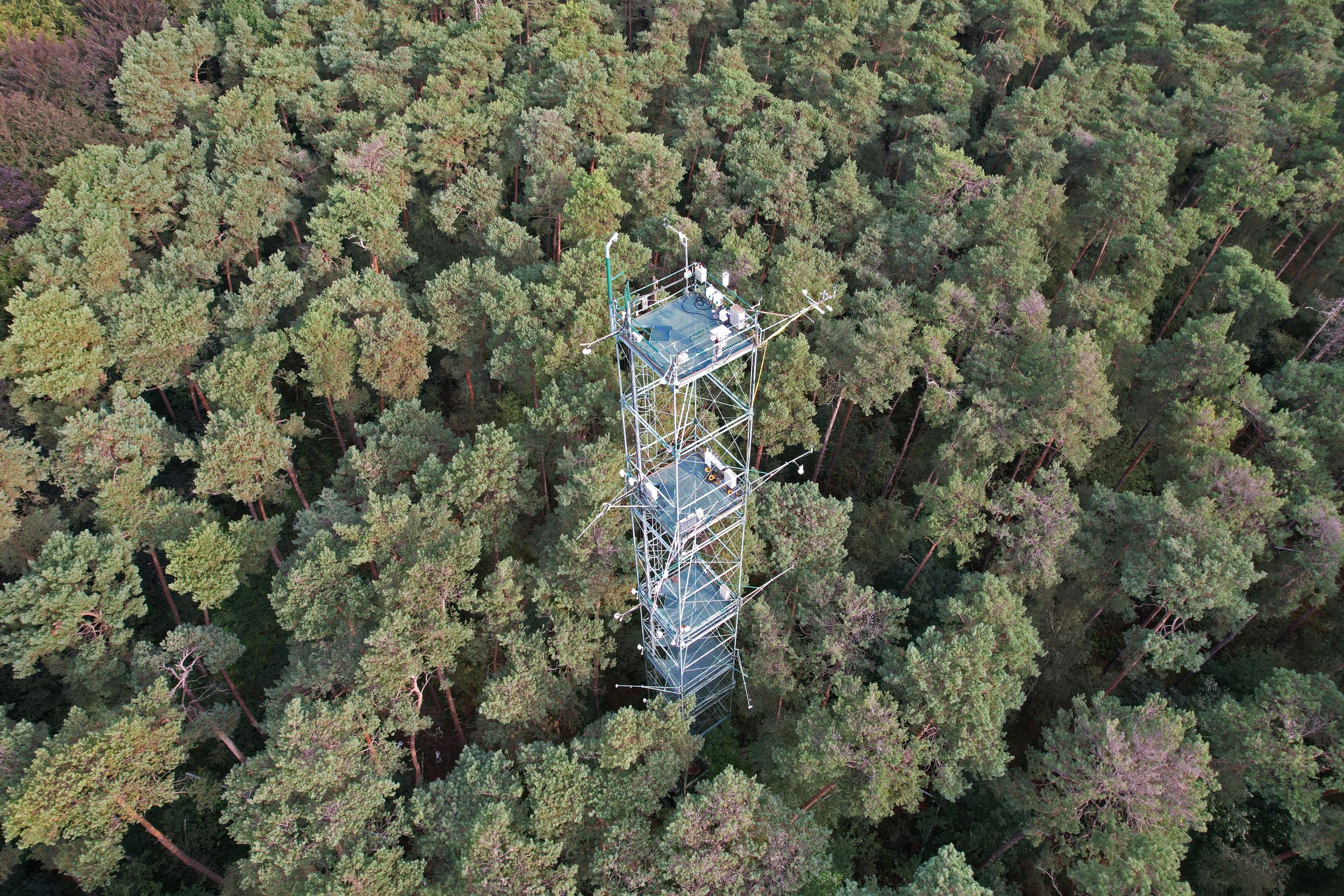
Looking Beyond Forest Area and Biomass
Forest monitoring and reporting still often concentrate on area and biomass. These indicators are important, but they reveal little about whether a forest can resist a disturbance, recover afterwards or adapt to changing conditions.
The policy brief therefore calls for a broader set of resilience indicators. These should capture recovery capacity, regeneration, structural and functional diversity, landscape connectivity and the potential of species to adapt or migrate as the climate changes.
Satellite observations can also help identify early-warning signals before widespread decline becomes visible. Changes in photosynthetic activity, for example, may reveal that a forest is recovering more slowly and approaching a critical threshold. Monitoring must also account for compound disturbances, which are increasingly common but often remain poorly represented in conventional assessment systems.
Combined with long-term observations, scenario-based models can bring together three essential dimensions of risk: the climate hazard itself, the vulnerability of the forest and its capacity to adapt. This enables policymakers and forest managers to explore “what-if” scenarios and identify where intervention is most urgently needed.
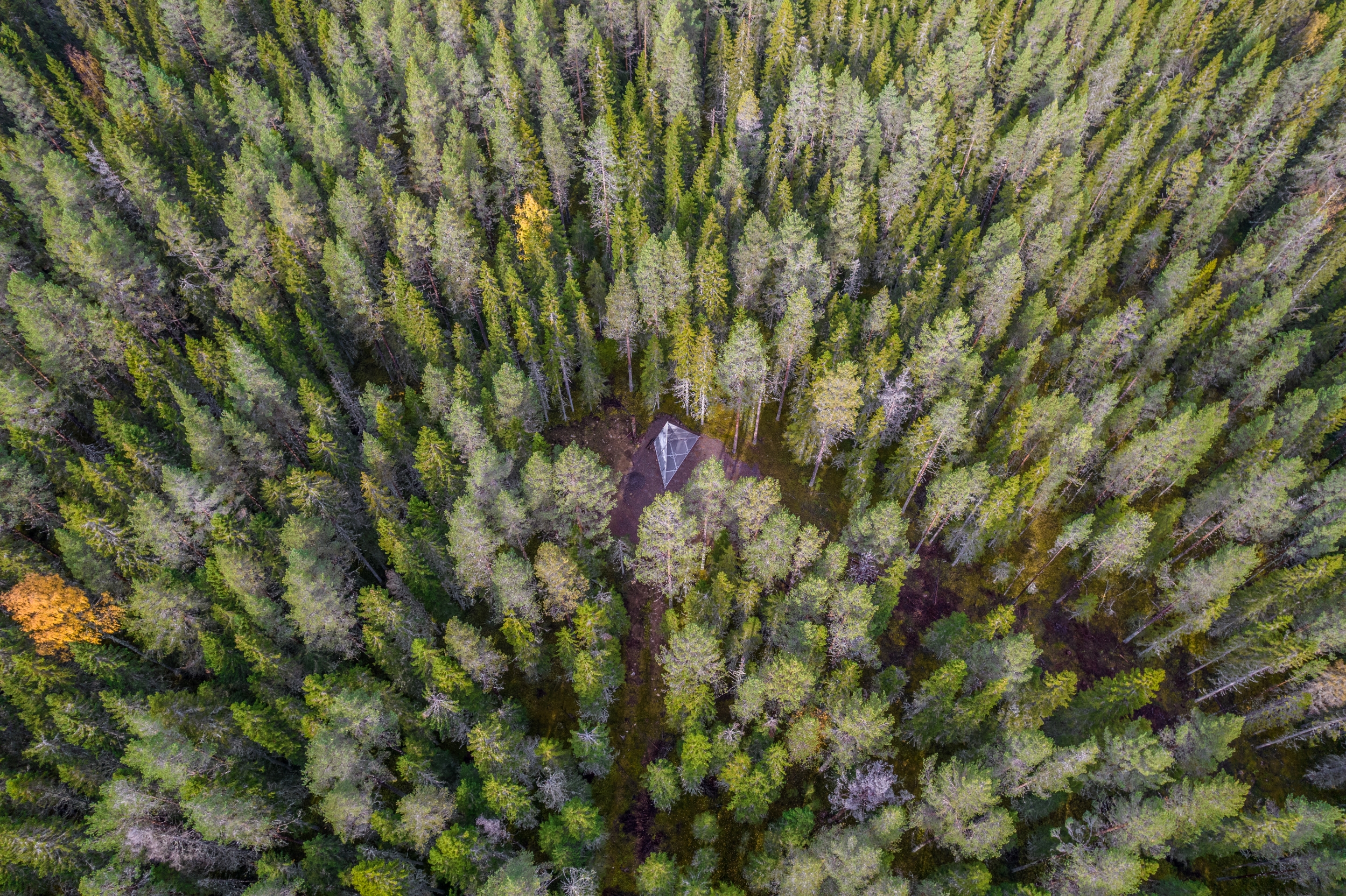
Building Resilience in Practice
The brief outlines how forest resilience can be strengthened through a combination of science-based management approaches. These include Closer-to-Nature and Climate-Smart Forestry, greater diversity of tree species and forest structures, restoration of hydrological functions, and carefully planned assisted migration of suitable species and provenances.
Biodiversity is central to these approaches. Different species and ecological functions can complement one another, helping forests to withstand uncertainty while continuing to store carbon, regulate water and support livelihoods.
The policy brief recommends five directions for action:
Mainstream climate-smart planning using resilience indicators and scenario modelling.
Introduce quantitative resilience targets into national forest, climate, adaptation and nature restoration strategies.
Invest in long-term observation and Research Infrastructures such as eLTER.
Support biodiversity-based and closer-to-nature management through payments for ecosystem services and well-designed nature credits.
Align forest management more closely with natural disturbance regimes to sustain resilience and carbon uptake and storage.
At regional and local levels, forest planning should become more forward-looking and risk-based. The brief points to fire-prevention planning in Tuscany and Lombardy, where climate projections, vegetation dynamics and fire-behaviour models are already used to identify priority areas for intervention.
How eLTER Can Help
Resilience cannot be understood from a single measurement or assessed only after disaster strikes. It must be observed over years and decades.
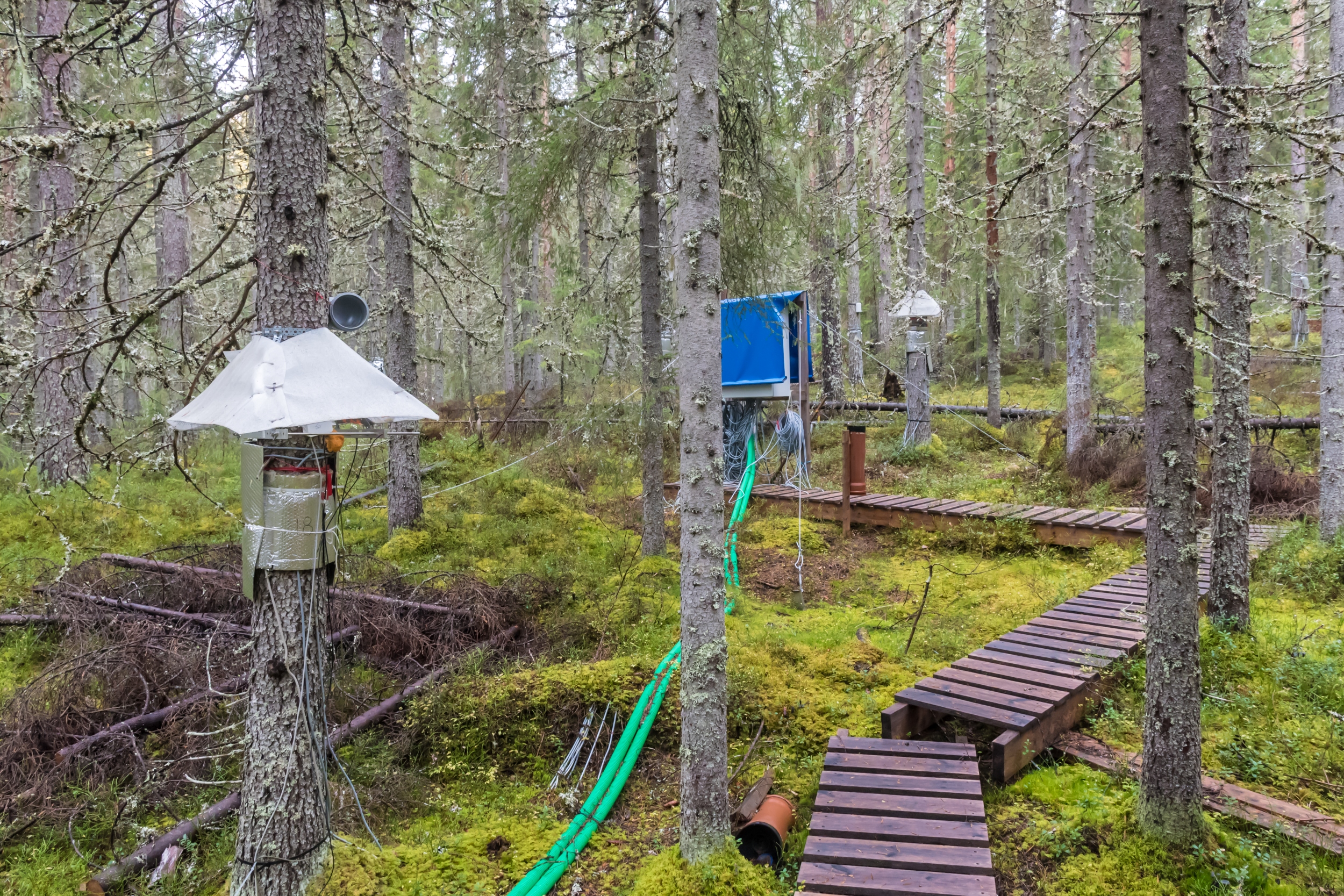
Through its infrastructure of long-term research Sites and socio-ecological Platforms, eLTER can track changes in tree growth and mortality, soil moisture, carbon pools and water balance. Remote-sensing time series can help detect early-warning signals, while long-term field observations provide the evidence needed to calibrate models and test whether management interventions genuinely improve forest resistance and recovery.
By bringing together comparable observations and case studies from across Europe, eLTER can connect local experience with national and European policy. This makes it possible not only to document forest decline, but also to identify which approaches work, under what conditions and with what trade-offs.
“Long-term observations are what turn resilience from an appealing concept into something we can test and improve. They allow us to see whether recovery is slowing, whether a forest is approaching a threshold, and whether management is actually increasing its capacity to cope with future extremes,” Vacchiano adds.
Europe’s forests will continue to face climate shocks. The choice is whether to respond after each damaging event or build the capacity to anticipate, absorb, recover and adapt. Making resilience measurable - and supporting it with long-term evidence - offers a practical path towards forests that can continue protecting biodiversity, storing carbon, regulating water and sustaining communities.
Read and download the full eLTER Policy brief: Forests at Risk: Measuring and Building Resilience Against Extreme Climate Events
Subscribe to the eLTER newsletter for more updates and stories!